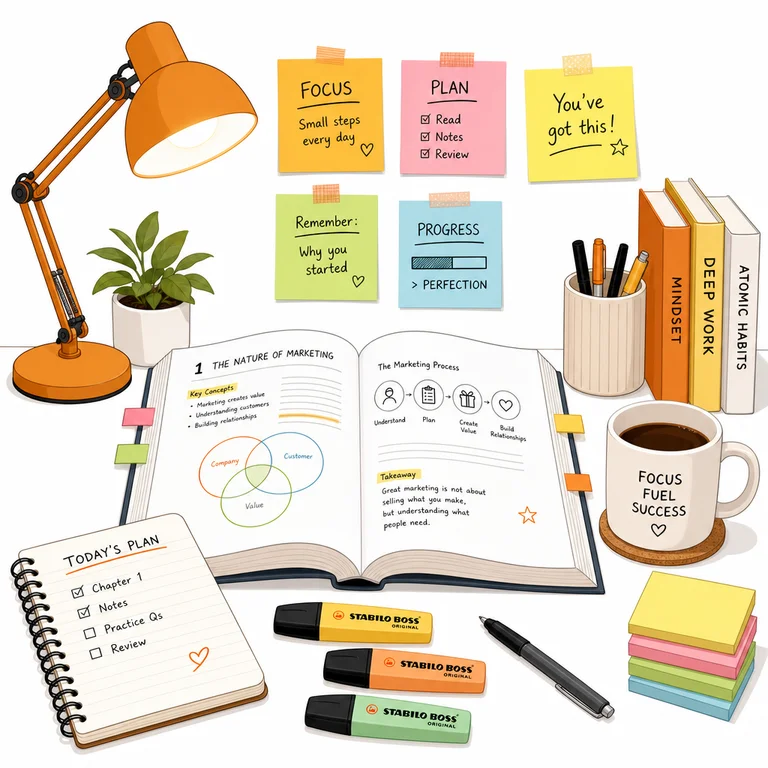
Digital Detox Study Sessions for Better Concentration
Guide to digital detox study sessions for: practical strategies, comparisons, and expert tips for better outcomes. Updated for 2025.
Anúncios
Choosing the right approach to digital detox study sessions for depends on individual goals, available time, and existing skill levels. This resource maps out options clearly so readers can make informed decisions quickly.
Nutrition Choices That Support Concentration
Spacing study sessions across multiple days prevents the forgetting curve from erasing progress. Short reviews separated by sleep cycles consolidate memories far more effectively than cramming.
Anúncios
Teaching material to a peer exposes gaps in understanding that silent review cannot detect. Explaining concepts aloud reorganizes knowledge into clearer structures that resist decay over time.
Interleaving subjects during a single session—switching between math and history, for example—builds flexible retrieval pathways. Mixed practice initially feels harder but produces superior long-term performance.
Should You Study One Subject or Switch Between Several?
Anúncios
Blue-light filters on screens reduce eye strain during evening study sessions without disrupting circadian rhythms. Adjusting display settings takes seconds and can extend productive study time after dark.
Blue-light filters on screens reduce eye strain during evening study sessions without disrupting circadian rhythms. Adjusting display settings takes seconds and can extend productive study time after dark.
Environment Design for Deep Focus
Handwriting notes engages motor pathways that typing does not, leading to better conceptual understanding. Students who summarize lectures in their own words outperform those who transcribe verbatim.
Hydration directly affects cognitive speed and working memory capacity. Keeping a water bottle within reach during study prevents the subtle concentration dips caused by mild dehydration.
Why Does Teaching Others Improve Your Recall?
Physical activity before studying increases blood flow to the hippocampus, the brain region responsible for forming new memories. Even a brisk ten-minute walk measurably improves subsequent information encoding.
Color-coded notes create visual anchors that speed up information retrieval during timed assessments. Assigning specific colors to categories or importance levels adds a spatial dimension to linear notes.
- Set a specific daily study schedule and protect it from interruptions
- Use practice tests weekly to measure retention and identify gaps
- Summarize each chapter in three sentences immediately after reading
- Keep a dedicated notebook for questions that arise during study
- Review yesterday's material for ten minutes before starting new topics
- Limit phone access during focused study blocks using app timers
- Rotate study locations occasionally to strengthen context-independent recall
Break Timing and the Pomodoro Method
Weekly review sessions that cover previously studied material reinforce connections and flag weakening memories early. Scheduling these reviews on a calendar prevents the common trap of only studying new content.
Color-coded notes create visual anchors that speed up information retrieval during timed assessments. Assigning specific colors to categories or importance levels adds a spatial dimension to linear notes.
Handwriting notes engages motor pathways that typing does not, leading to better conceptual understanding. Students who summarize lectures in their own words outperform those who transcribe verbatim.
Can You Study Effectively in Short Bursts?
Blue-light filters on screens reduce eye strain during evening study sessions without disrupting circadian rhythms. Adjusting display settings takes seconds and can extend productive study time after dark.
Interleaving subjects during a single session—switching between math and history, for example—builds flexible retrieval pathways. Mixed practice initially feels harder but produces superior long-term performance.
Sleep deprivation impairs the prefrontal cortex, the region responsible for logical reasoning and problem-solving. Prioritizing seven to eight hours of rest before exams outperforms last-minute review every time.
Music and Background Noise Findings
Retrieval practice forces the brain to reconstruct information rather than passively recognize it. Testing yourself with flashcards or blank-page recall produces stronger memory traces than rereading notes.
Hydration directly affects cognitive speed and working memory capacity. Keeping a water bottle within reach during study prevents the subtle concentration dips caused by mild dehydration.
Weekly review sessions that cover previously studied material reinforce connections and flag weakening memories early. Scheduling these reviews on a calendar prevents the common trap of only studying new content.
Can Background Music Improve Focus While Studying?
Background noise at moderate levels, around 70 decibels, can boost creative thinking without disrupting comprehension. Coffee-shop ambiance tracks replicate this sweet spot for home study environments.
Blue-light filters on screens reduce eye strain during evening study sessions without disrupting circadian rhythms. Adjusting display settings takes seconds and can extend productive study time after dark.
Morning Routines That Prime the Brain
Weekly review sessions that cover previously studied material reinforce connections and flag weakening memories early. Scheduling these reviews on a calendar prevents the common trap of only studying new content.
Blue-light filters on screens reduce eye strain during evening study sessions without disrupting circadian rhythms. Adjusting display settings takes seconds and can extend productive study time after dark.
Hydration directly affects cognitive speed and working memory capacity. Keeping a water bottle within reach during study prevents the subtle concentration dips caused by mild dehydration.
What Role Does Hydration Play in Cognitive Performance?
Blue-light filters on screens reduce eye strain during evening study sessions without disrupting circadian rhythms. Adjusting display settings takes seconds and can extend productive study time after dark.
The Pomodoro method alternates twenty-five minutes of focused work with five-minute breaks to maintain attention. Longer sessions risk diminishing returns as mental fatigue accumulates past the forty-minute mark.
Visual Learning Tools and Mind Maps
The Pomodoro method alternates twenty-five minutes of focused work with five-minute breaks to maintain attention. Longer sessions risk diminishing returns as mental fatigue accumulates past the forty-minute mark.
A dedicated study area with minimal visual clutter signals the brain to shift into focused mode. Consistent use of the same workspace creates an automatic cognitive association with productivity.
Physical activity before studying increases blood flow to the hippocampus, the brain region responsible for forming new memories. Even a brisk ten-minute walk measurably improves subsequent information encoding.
How Do You Recover From a Bad Study Streak?
Hydration directly affects cognitive speed and working memory capacity. Keeping a water bottle within reach during study prevents the subtle concentration dips caused by mild dehydration.
A dedicated study area with minimal visual clutter signals the brain to shift into focused mode. Consistent use of the same workspace creates an automatic cognitive association with productivity.